
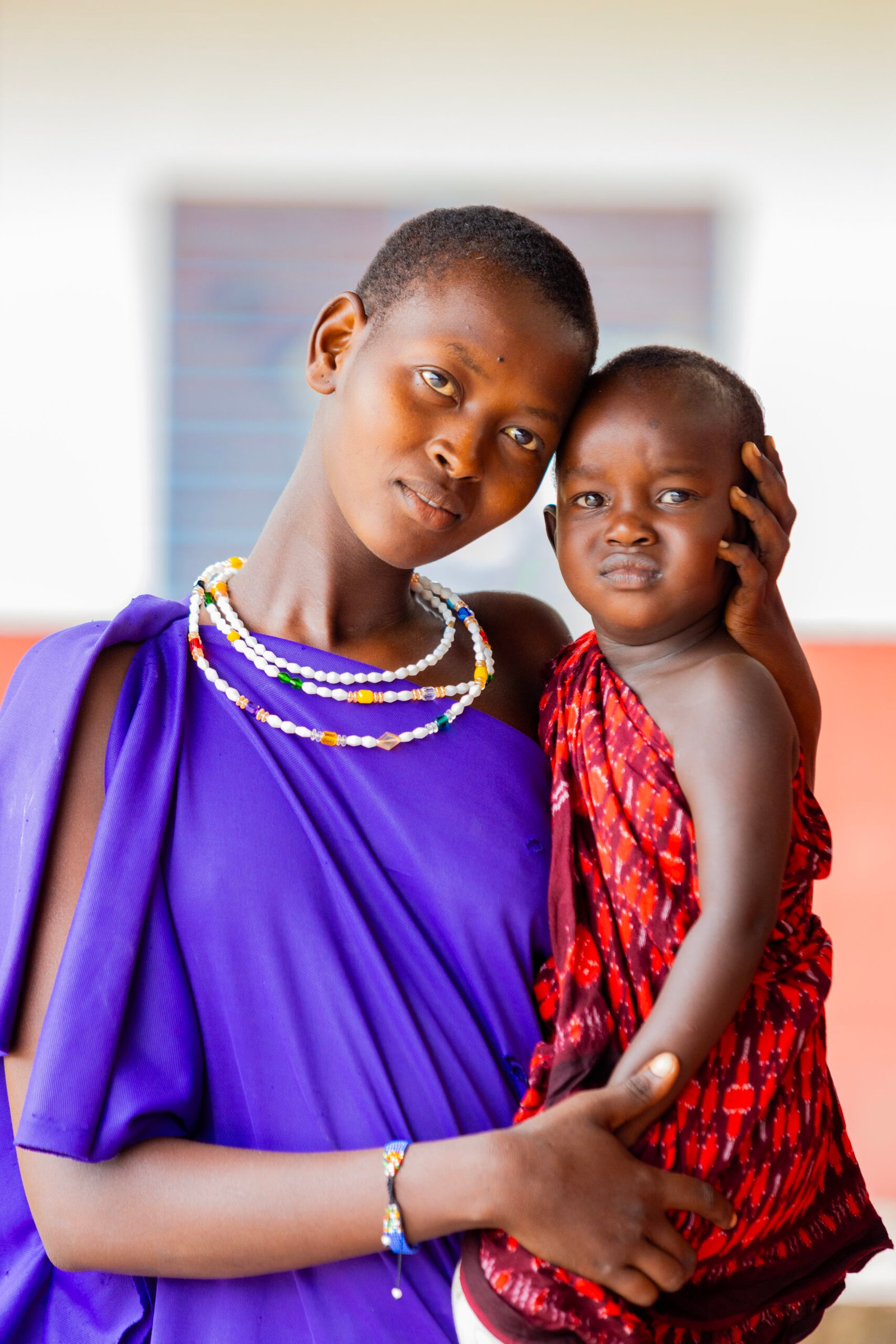
For many years, Nazareti’s marriage was shaped by deeply rooted cultural traditions that had been
passed down through generations within her Maasai pastoralist community in Mvomero District,
Morogoro Region. Like many women around her, she grew up in an environment where interactions
between husbands and wives were governed by strict social norms. Simple gestures such as
welcoming her husband home warmly or addressing him by his name were considered
inappropriate and disrespectful. These cultural expectations extended beyond daily
interactions and into family decision-making.Matters concerning household finances, livestock,
and other important family affairs were often discussed and decided by men, leaving women
with little opportunity to contribute their views. As a result, communication between spouses was
limited, and misunderstandings frequently escalated into conflict rather than being resolved
through open dialogue and mutual understanding.
“There was a time when I could not freely express my thoughts,” Nazareti recalls. “If I tried to
raise an issue or share an opinion, my husband would not listen. Instead of discussing problems
together, we would argue, and sometimes the situation became violent. I felt like I had no voice
in matters that affected our family.”
Everything began to change when Nazareti participated in life skills training that was initiated by
Sawa Wanawake Tanzania in partnership with Uwezo Tanzania. Through lessons on self-
awareness, communication, cooperation, and problem-solving, she started to see relationships
differently. She learned that healthy families are built on mutual respect and that both husbands
and wives have an important role to play in decision-making. The training encouraged her to
practice these new skills at home. Slowly, conversations that once ended in conflict began to
create understanding.
“The lessons helped me recognize my own value and also understand the importance of
working together as a family,” she says. “As we started communicating differently, my husband
became more willing to listen. We learned that discussing issues calmly and respectfully could
help us solve problems instead of creating more of them.”
One of the most significant changes occurred in the way the family handled money. Previously,
major financial decisions were often made without consultation. Livestock could be sold, and
Nazareti would only learn about it afterward. Today, that has changed completely.
“Now, whenever my husband sells a cow or a goat, he tells me openly,” she explains. “He
shares how much money was received, and we sit down together to discuss what should be
done with it. We talk about our children’s needs, improvements for the household, and
opportunities that can help us earn more income. We make decisions as partners.”
This new culture of transparency and collaboration soon created opportunities for economic
growth. After discussing how best to use money from the sale of livestock, the couple decided to
invest in a butchery business. Together, they planned how the business would operate and how
the profits could support the family.
“Instead of spending money without a plan, we now think about the future,” Nazareti says. “The
butchery has become an important source of income for our family. It allows us to meet
household needs, support our children, and continue improving our lives.”
The benefits extend beyond income. The family’s children are growing up in a home that is
more peaceful, supportive, and united. Resources are allocated more carefully, and decisions
are guided by shared goals rather than individual interests.
Life skills training also challenged long-standing cultural norms that had shaped relationships
within the community. Nazareti and her husband now interact in ways that once seemed
impossible.
“In the past, traditions taught us that it was shameful for a wife to welcome her husband home
or even call him by his name,” she says. “We were expected to keep a distance from one
another. Today, we greet each other warmly, we speak openly, and we call each other by our
names. These may seem like small changes, but they have brought respect and understanding
into our marriage.”
Inspired by the transformation in her own home, Nazareti has become an advocate for change
within her community. She shares what she has learned with other women, encouraging them
to embrace communication, cooperation, and self-awareness in their own families.
“I tell other women that positive change begins when we recognize our worth and learn how to
work together with our spouses,” she explains. “When families communicate openly and make
decisions together, everyone benefits. The home becomes more peaceful, children are better
supported, and opportunities for development become possible.”
Nazareti’s story demonstrates that life skills are about much more than personal development.
They are tools that can strengthen relationships, improve financial decision-making, and create
more equitable families. Through better communication and mutual respect, her household has
moved from conflict and silence to partnership and shared progress.